Know Which Coats Should and Shouldn't Be Clipped
Not every dog benefits from a summer cut, and shaving the wrong coat does harm. Double-coated breeds such as huskies, German shepherds and retrievers rely on their coat to insulate against heat as well as cold, and clipping it can leave them hotter and exposed to sunburn.
Single-coated breeds and non-shedding curly coats, such as poodles, doodles, bichons and many terriers, are the dogs a summer cut genuinely suits. Their hair grows continuously and a shorter length keeps them cooler and easier to manage.
If you are unsure which type your dog has, understanding double coats explains how to tell, and why brushing beats shaving for those breeds.
A shaved double coat can regrow patchy, insulate poorly and risk sunburn. Deshed these breeds instead of clipping them short.
Bathe, Dry and Brush Out Before You Clip
A clean, dry, tangle-free coat is essential for an even summer cut. Bathe your dog, dry thoroughly, then brush and comb right down to the skin so the clipper glides rather than snags.
Clipping a matted or dirty coat gives a ragged finish and makes the blade pull. Deal with any mats first, and if the coat is heavily tangled it may be kinder to clip short and start the summer fresh. Choosing the right length matters here, so match the guard to the finish you want.
Set your dog up at a comfortable height with good light, and have your guards laid out in order before you start.
Never clip a damp coat. Moisture clumps the hair, jams the blade and leaves an uneven, patchy summer cut.
Clip the Body to a Sensible Summer Length
For a cooler but skin-protecting length, a longer guard comb leaving roughly 10 to 13mm is a sensible summer cut for most single and curly coats. This trims the bulk without exposing bare skin to the sun.
Work with the direction of hair growth, using long, smooth strokes from neck to tail and down the sides. Keep the skin taut with your free hand and overlap each pass slightly so you avoid tramlines. Leave a little more length along the back, which takes the most sun.
Resist the urge to go too short. A very close summer cut offers no protection from the sun and can leave pale-skinned dogs prone to burning, so leave at least 10mm on the body.
Bare skin burns. Leave enough length to shade the skin, and apply dog-safe sun protection to any thin-haired or exposed patches.
Neaten the Legs, Face and Sanitary Areas
Switch to scissors or a shorter guard for the detail work. Tidy the legs to match the body, scissor the feet neat, and trim the tail to a natural shape rather than clipping it bare.
The face and sanitary areas need a careful, separate approach with a fine blade or round-tip scissors; follow the face and sanitary method rather than rushing them at the end of a body clip.
Finish by combing the whole coat through, checking for missed patches and evening any steps. A tidy summer cut should look deliberate all over, not just short on the back.
A cut does not replace shade and water. In hot weather, keep your dog out of midday sun with fresh water always available.
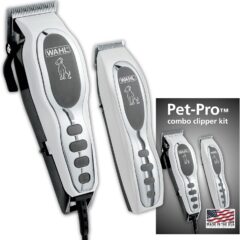
If you buy through our links we may earn a commission at no extra cost to you.
Frequently Asked
Generally no. A double coat insulates against heat as well as cold, and shaving it can leave your dog hotter, prone to sunburn and with a patchy regrowth. Deshedding by brushing is the better way to keep these breeds cool.
For most single and curly coats, a guard leaving around 10 to 13mm cools the dog while still shading the skin. Going shorter than about 10mm exposes the skin to the sun and risks burning.
Single-coated and non-shedding curly breeds like poodles, doodles, bichons and many terriers, whose hair grows continuously. A shorter length keeps them comfortable and easier to maintain through warm months.
Yes, if clipped too short, especially on pale-skinned or thin-coated dogs. Leave enough length to shade the skin and use a dog-safe sun protection on exposed areas like the nose, ear tips and belly.