Assess the Matting Before You Reach for Clippers
Run your fingers and a steel comb through the coat to map where the mats sit. Loose tangles that a comb can tease apart are not a job for clippers, but firm, felted mats that lift the skin when you tug them need to come off with a blade rather than brute force.
Pay attention to the high-friction areas: behind the ears, the armpits, the groin and between the back legs. These trap the tightest mats because skin rubs on skin, and they are also where the skin is thinnest and most easily nicked.
If a mat covers a large area, feels hot, or the skin beneath looks red or weepy, stop and book a vet or professional groomer. A pelted coat pressed flat to the body is beyond safe home clipping.
Never cut a mat with scissors held flat against the skin. Mats pull the skin up into the mat, so blind snipping is the commonest cause of grooming wounds.
Choose a Fine Blade and Get Under the Mat
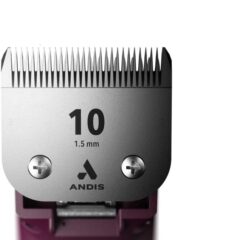
Matted coat needs a short, fine blade that slides under the felt against the skin. A #10 blade (leaving roughly 1.5mm) is the workhorse for dematting because it fits into the gap between skin and mat where a longer guard comb simply cannot reach.
Work the blade flat and parallel to the skin, teeth first, and let the blade do the cutting rather than pushing. If it stalls, back off; forcing a fine blade into a dense mat drags the skin and hurts. For guidance on matching blade and guard lengths to coat, see our guide to guard lengths.
Approach each mat from its loose edge and free the skin underneath first. Once the blade is under the mat you can lift it away in one clean pass instead of hacking at the top.
Slide a comb between the mat and the skin as a guard. The blade rides on the comb's spine, giving you a physical barrier between the teeth and your dog.
Clip in Short Passes and Keep the Blade Cool
Fine blades run hot, and a hot blade on thin skin causes clipper burn in seconds. Touch the blade to the back of your hand every 30 to 60 seconds; if it feels more than warm, stop, and either swap to a spare blade or cool it with a purpose-made spray.
Keep your free hand stretching the skin flat so there are no folds for the blade to catch. Work in short, deliberate passes and lift away each freed section before starting the next, so you can always see the skin you are about to clip.
Take breaks. A dog that has tolerated ten minutes of dematting has done well, and a stressed dog that starts to fidget is far more likely to be nicked. If your clippers keep snagging rather than cutting, read why clippers pull before you continue.
Metal blades hold heat long after the motor sounds fine. A short blast of coolant spray or a swap to a rested blade prevents a painful burn.
Tidy, Soothe and Prevent the Next Mat
Once the mats are off, comb the whole coat through to check nothing was missed and to lift any short tufts the blade left behind. Bathe and dry thoroughly, because clipping through mats leaves the coat uneven and a wash settles it.
Check the skin you have exposed. Areas that were matted are often pink and tender, so keep them dry and watch for any rubbing over the next day or two.
Prevention beats clipping. Regular brushing between grooms stops mats forming in the first place, and a simple between-grooms routine will spare you this job next time.
Skin that has been under a mat can be sore. Skip perfumed sprays on those patches and let air get to them while they recover.
If you buy through our links we may earn a commission at no extra cost to you.
Frequently Asked
Small, isolated mats you can lift away from the skin are manageable at home with a fine blade. A coat that is pelted flat to the body, or any mat with red or broken skin beneath, is a job for a professional groomer or vet.
A short, fine blade such as a #10 works best because it slides into the gap between skin and mat. Longer guard combs sit on top of the mat and cannot reach the skin safely.
Mats pull the skin up into themselves, so the skin often sits higher than it looks. Scissors held near a mat can catch that raised skin and cause a deep cut, which is the most frequent home-grooming injury.
Brush high-friction areas like the armpits and behind the ears several times a week, keep the coat dry and comb right down to the skin. Consistent brushing between grooms prevents almost all matting.